An electric arc furnace is an electric furnace that uses the energy of an electric arc to smelt metals. Industrially used electric arc furnaces can be divided into three categories: The first category is the direct heating type, where the electric arc occurs between a dedicated electrode rod and the charge being smelted, with the charge directly receiving the heat from the arc. It is mainly used for steelmaking, and also for smelting iron, copper, refractory materials, and refining molten steel. The second category is the indirect heating type, where the electric arc occurs between two dedicated electrode rods, with the charge receiving the radiant heat from the arc. It is used for smelting copper, copper alloys, etc. This type of furnace is noisy and produces poor smelting quality, and has gradually been replaced by other types of furnaces. The third category is called a submerged arc furnace, which uses high-resistivity ore as raw material. During operation, the lower part of the electrodes is generally buried in the charge. Its heating principle utilizes both the heat generated by the resistance of the charge when current passes through it and the heat generated by the electric arc between the electrodes and the charge. Therefore, it is also called an electric arc resistance furnace.
Electric Arc Furnace Wall Structure
The electric arc furnace wall is divided into three parts according to its operating conditions: the main furnace wall, the slag line, and the hot spots.
- ① In the main furnace wall of high-power and ultra-high-power electric furnaces, directly bonded magnesia-chrome bricks, pre-reacted magnesia-chrome bricks, and magnesia bricks are mainly used.
- ② The hot spots are close to the electric arc and are subjected to high-temperature radiation and slag splash, resulting in particularly severe damage. Oil-impregnated magnesia bricks, directly bonded magnesia-chrome bricks, cast magnesia-chrome bricks, and magnesia-carbon bricks are mainly used.
- ③ The slag line is severely corroded by molten steel and slag, and its operating conditions are harsh. Therefore, high-quality refractory materials similar to those used for the hot spots should be used.
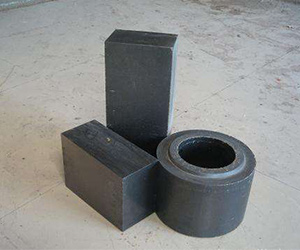
Due to the different operating conditions of different parts of the furnace wall, single-material construction is rare. Most furnaces use a combination of various bricks to achieve balanced corrosion. In the upper part of the furnace wall, the slag line and hot spots are weak points due to uneven corrosion caused by heat load, chemical erosion, and mechanical action. These “hot spots” can even limit the service life of the furnace wall. To meet the needs of these harshly corrosive areas, magnesia-carbon bricks, which are resistant to corrosion, thermal shock, and have low linear expansion, are increasingly used in the high-corrosion zones of electric arc furnaces. They have become the preferred refractory material for the walls of UHP electric arc furnaces both domestically and internationally.
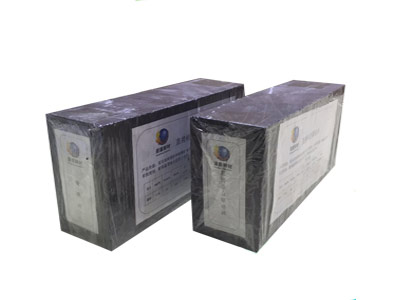
What are the differences in the refractory materials used for the inner lining of electric arc furnaces?
Initially, high-temperature fired direct-bonded magnesia-chrome bricks were used for electric arc furnace walls. In the 1970s, to meet the needs of large electric arc furnaces and the hot spots of UHP (Unified High-Performance) electric arc furnaces, a combination of fused cast magnesia-chrome bricks and rebonded magnesia-chrome bricks was tested. In 1976, “Corhart” fused cast magnesia-chrome bricks were widely used in UHP electric arc furnaces, with 90%–95% used in hot spots and some in the slag line area. Fused cast bricks have a high degree of direct bonding between the magnesia-chrome spinel and the slag, resulting in a dense structure.
The development of electric arc furnace steelmaking in the United States was rapid. A major development that effectively improved the productivity of electric arc furnace steelmaking was the development and use of magnesia-carbon bricks in the high-loss areas of the furnace wall, which had lower raw material and process costs but better performance. These magnesia-carbon bricks were produced from high-purity, high-density sintered magnesia sand with a CaO/SiO2 ratio of 3, containing approximately 10% carbon, with an apparent porosity of 3% and a bulk density greater than 2.95 g/cm³.
In the former Soviet Union, electric arc furnace walls were mostly made of magnesia materials. Reconstituted magnesia-chrome bricks, produced from fused periclase and chromite sand, were tested and used in the severely eroded areas above the taphole of 100t electric arc furnaces. These bricks had few low-melting-point mineral phases, good corrosion resistance, and performed well.
In the UK, electric arc furnace walls generally use ordinary chrome-magnesia bricks (70% chromite, 30% seawater magnesia), fired magnesia-chrome bricks (70% seawater magnesia, 30% chromite), and high-quality magnesia bricks made from seawater magnesia. High-temperature fired magnesia bricks prepared from seawater magnesia or fired magnesia bricks impregnated with pitch and tar were used in hot spots and slag lines, achieving good results.
In Japan, electric arc furnace walls used magnesia-chrome bricks and magnesia bricks. In hot spots, magnesia bricks, magnesia-carbon bricks, cast magnesia-chrome bricks, and carbon bricks were used.
In the 1980s, my country’s electric arc furnace steelmaking developed rapidly, evolving from ordinary power electric arc furnaces to ultra-high power electric arc furnaces. Advances in electric arc furnace (EAF) steelmaking technology are closely linked to the synchronous development of refractory material technology, promoting a steady increase in EAF lifespan and a gradual decrease in refractory material consumption per unit area. My country’s ordinary power EAFs employ two types of linings: one is a monolithic lining made of rammed mortar containing low- and medium-temperature binders in sintered magnesia and fused magnesia; the other is a lining constructed with tar-bonded magnesia bricks and magnesia-carbon bricks of various standards. Alkaline carbonaceous materials are the main materials for furnace wall linings, and magnesia-carbon bricks play a crucial role in EAFs.
Application and Damage Mechanism of Magnesia-Carbon Bricks in Electric Arc Furnaces for Steelmaking
The working environment of electric arc furnace linings is extremely harsh, posing a significant challenge to the lining refractory materials. The two most severe challenges are temperature variations within the furnace and changes in slag composition.
Ordinary electric arc furnace operations complete the melting, oxidation, and reduction stages within the furnace. However, UHP (Ultra-High Power) electric arc furnaces utilize forced melting to significantly increase the melting rate, while alloying is achieved after refining in an LF (Fuel-Fuel-Low Power) furnace. Therefore, the specific power level of UHP electric arc furnaces is generally above 600 kVA per ton of steel, and modern furnaces reach 1000 kVA per ton of steel. The relationship between power level, furnace temperature, and melting time is discussed.
The high power level of UHP electric arc furnaces results in a surface heat load of up to 1000 kVA/m² on the furnace lining. During the melting period, the furnace lining is rarely shielded, and combined with the highest radiation levels, this creates a hot spot on the lining opposite the electric arc. The minimum heat load occurs between phases, in the “cold zone,” and the difference in heat load between the hot and cold zones can reach 60%. This demonstrates the spatial unevenness of temperature within the electric arc furnace. Under these conditions, some hot zones can reach temperatures exceeding 2000℃. This is extremely detrimental to the slag resistance of magnesia-carbon bricks, as slag penetrates these hot spots and erodes the entire brick structure. Furthermore, temperature differences increase internal thermal stress within the brick, making it prone to spalling under the mechanical erosion of the slag.
Another characteristic of electric arc furnace steelmaking is the wide variety of steel grades produced. This variety results in diverse slag composition and properties, making the slag erosion on the MgO-C bricks of the furnace wall extremely complex. The intense boiling of molten steel and slag, the stirring, and the thermal shock from the electric arc cause the furnace lining to experience far more severe erosion than in a converter. Consequently, while the service life of MgO-C bricks in large converters reaches thousands or even tens of thousands of heats (using slag splashing protection technology), the service life of electric arc furnace walls remains only 300-500 heats. The composition of primary and final slag from smelting the same steel grade can vary significantly depending on changes in smelting parameters. The variation in composition is even more pronounced when smelting primary and final slag from different steel grades. Similar to the situation with slag in converter processes, the most significant variation is primarily in binary basicity.
Traditional electric arc furnace steelmaking processes encompass the entire melting-refining process, with each furnace lasting 3-4 hours. The composition of the slag and reducing slag varies significantly during the oxidation and reduction phases. For the furnace lining refractory materials, this involves alternating erosion by acidic and basic slags. For example, in 1Cr18Ni19Ti steel, the initial slag has a C/S ratio <1, while the final slag has a ratio >2. Electron probe microanalysis has been used to thoroughly study the phase combinations and chemical composition changes of the molten pool slag and splashed slag during different smelting cycles in traditional steelmaking processes. While the percentage content of each phase cannot be determined to estimate the overall slag composition, changes in phase chemical composition can still reveal variations in the overall slag composition. The melting and oxidation phases produce oxidizing slag; the refining and alloying phases produce reducing slag. Except for some characteristic elements of special alloy steels, the phase combinations in these slags follow normal patterns. However, the micro-regional composition of the phases allows analysis of their crystallization behavior. For instance, the banded structure and compositional changes of spinel in the molten pool slag are due to variations in slag composition during the smelting cycle. This also reflects the cation substitution during spinel nucleation and growth, changing from a high-chromium type to a high-alumina type, which is also a characteristic of the chromium return and deoxidation process. During the oxidation period, the spinel remains high-chromium, while during the refining-alloying period, it becomes high-FeOn type.
The erosion of magnesia-carbon bricks occurs under the alternating and cyclical action of various slag compositions. In each furnace run, for each heat of steel, and even at different smelting stages within a single heat, the erosion behavior of the magnesia-carbon brick working surface changes. From changes in slag basicity to changes in slag oxidizability, and even changes in slag fluidity, these changes all have different effects on the erosion of magnesia-carbon bricks.