A lime kiln is a piece of equipment used for lime production; the specific models and the refractory brick materials employed vary depending on the production process and kiln structure. The following information outlines common lime kiln models, along with details regarding the refractory brick materials typically used in specific sections—including alumina content, bulk density, mass, and refractoriness.
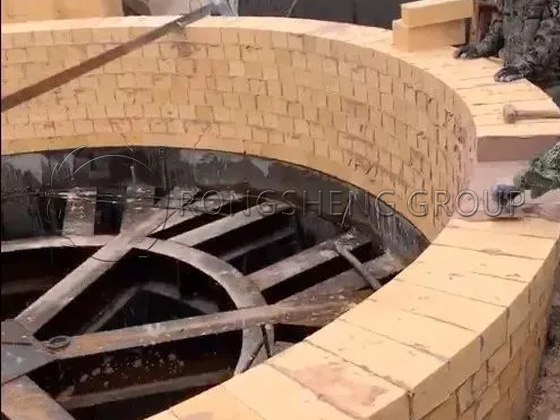
Types of Lime Kilns and Refractory Bricks Used
Vertical Kiln
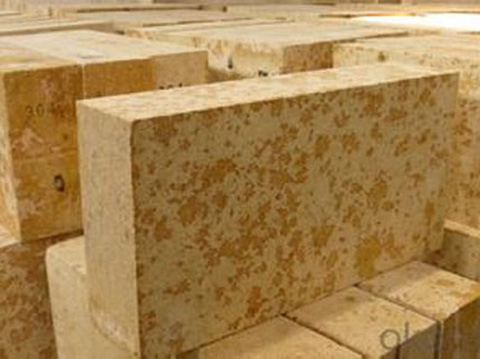
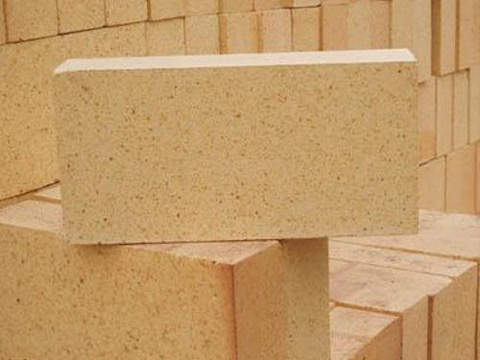
High-alumina bricks are typically used for the kiln lining. For instance, Grade I high-alumina bricks have a high alumina content (generally above 75%) and a relatively high bulk density (approximately 2.5–2.8 g/cm³). They are heavy, weighing around 4.6–4.9 kg per brick, and offer high refractoriness, capable of withstanding temperatures above 1790°C. Their advantages include high refractoriness, wear resistance, and erosion resistance, making them suitable for high-temperature environments. Disadvantages include a relatively high price, high thermal conductivity, and poor thermal insulation performance.
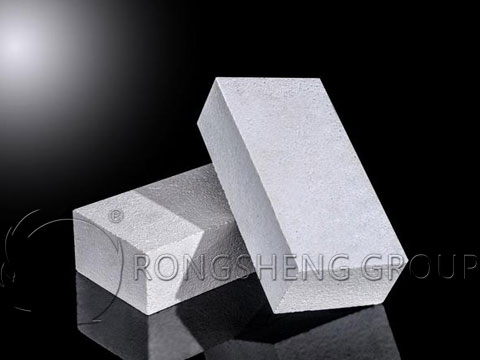
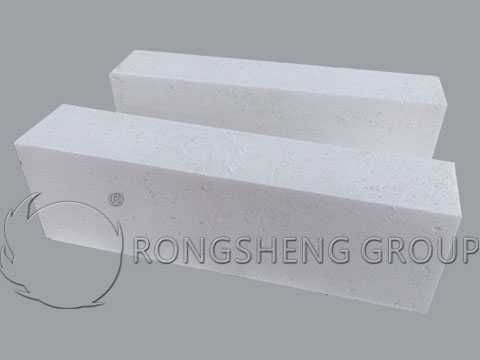
Lightweight insulating bricks can be used for the kiln roof. Diatomite bricks, for example, have a low alumina content (generally below 30%) and a low bulk density (approximately 0.6–1.0 g/cm³). They are lightweight, weighing around 1–2 kg per brick, with a lower refractoriness range of 1000–1300°C. Their advantages include excellent thermal insulation, effectively lowering roof temperatures and reducing heat loss. Disadvantages include low strength and poor wear resistance.
Rotary Kiln
High-alumina bricks or silica bricks are commonly used for the kiln lining. The alumina content and bulk density of the high-alumina bricks are similar to those used in vertical kilns. Silica bricks have a high silica content (generally above 93%) and a low bulk density (approximately 1.8–2.0 g/cm³). They are lightweight, weighing around 2–4 kg per brick, and offer high refractoriness, capable of withstanding temperatures above 1600°C. Their advantages include good thermal stability and the ability to withstand rapid temperature fluctuations. Disadvantages include a high price and poor resistance to alkalis.
Lightweight insulating bricks are generally used for the kiln roof. Alumina hollow sphere bricks, for example, have a high alumina content (generally above 60%) and a low bulk density (approximately 0.8–1.2 g/cm³). They are lightweight, weighing around 1–2 kg per brick, and offer high refractoriness, capable of withstanding temperatures above 1800°C. Its advantages include excellent thermal insulation, high refractoriness, and high strength; their disadvantage is the relatively high cost.
Sleeve Kiln
High-alumina bricks or mullite bricks are commonly used for the kiln lining. The alumina content and bulk density of high-alumina bricks are similar to those used in shaft kilns. Mullite bricks have a higher alumina content—typically around 70%—and a higher bulk density of approximately 2.6–2.8 g/cm³. They are heavier, weighing about 3–5 kg per brick, and offer high refractoriness, capable of withstanding temperatures above 1750°C. Their advantages are high refractoriness and good thermal shock resistance; their disadvantage is the relatively high cost.
Lightweight insulating bricks or ceramic fiber modules can be selected for the kiln roof. The properties of lightweight insulating bricks are similar to those used for rotary kiln roofs. Ceramic fiber modules have a lower alumina content (generally below 40%) and a lower bulk density (approximately 0.2–0.3 g/cm³). They are lighter, weighing about 0.5–1 kg per unit, with a lower refractory temperature rating (generally below 1200°C). Their advantages include excellent thermal insulation, light weight, and ease of installation; their disadvantages are lower strength and relatively high cost.
The national standards classify and define refractory bricks as follows:
- Fireclay bricks: Aluminosilicate refractory materials containing 30%–48% Al₂O₃.
- High-alumina bricks: Aluminosilicate refractory materials containing more than 48% Al₂O₃. Based on Al₂O₃ content, they are categorized into Grade I (Al₂O₃ > 75%), Grade II (Al₂O₃ 60%–75%), and Grade III (Al₂O₃ 48%–60%).
- Silica bricks: Refractory materials containing more than 93% SiO₂.
- Magnesia bricks: Refractory materials containing more than 80% MgO.
- Special refractory bricks: Refractory materials with unique properties and applications, such as corundum bricks and silicon carbide bricks.
Parameters such as alumina content, bulk density, mass, and refractoriness vary among the different grades of high-alumina bricks.
It is important to note that the specific selection of refractory bricks should be based on a comprehensive assessment of the lime kiln’s actual conditions and operational requirements. Factors such as kiln operating conditions, fuel type, and production processes must be considered, alongside recommendations from the brick manufacturer. Furthermore, to ensure the safe operation and long-term stability of the lime kiln, the refractory lining should undergo regular inspection and maintenance, with damaged or worn bricks replaced promptly.
Magnesia-Alumina Spinel Bricks for Lime Kilns
Magnesia-alumina spinel bricks for lime kilns are high-performance refractory materials specifically designed for this application. Their primary constituent is magnesia-alumina spinel (MgAl₂O₄)—formed through the high-temperature reaction of magnesia and alumina oxides—though they may also contain specific amounts of other refractory oxides to enhance performance. Magnesia-alumina spinel offers excellent high-temperature resistance, corrosion resistance, and thermal shock resistance, making these bricks an ideal choice for critical sections of the lime kiln, such as the firing zone and preheating zone.
These bricks feature the following characteristics:
- (1) High-temperature resistance: Magnesia-alumina spinel bricks possess exceptional refractoriness, enabling them to withstand the intense heat within the lime kiln and ensure stable kiln operation.
- (2) Corrosion resistance: In the reducing atmosphere of a lime kiln, these bricks resist corrosion from kiln slag and furnace gases, thereby extending their service life.
- (3) Thermal shock resistance: These bricks exhibit excellent thermal shock resistance, allowing them to withstand thermal stresses caused by rapid temperature fluctuations and preventing cracking or spalling.
Magnesia-alumina spinel bricks are primarily used in critical areas of the lime kiln—such as the firing and preheating zones—where refractory material performance requirements are extremely high. Their use can significantly improve both the operational efficiency of the lime kiln and the quality of the final product.