Steelmaking furnaces, electric furnaces for non-ferrous metal smelting, and cement rotary kilns quietly sustain the workings of modern civilization through temperatures reaching thousands of degrees. Yet, lining the inner walls of this high-temperature equipment is an unassuming yet vital “armor”—a material that silently withstands searing flames, chemical corrosion, and thermal shock, safeguarding the safety and efficiency of the entire production system. This material is refractory lining. Today, we focus on a specific type: refractory ramming mass used for the inner walls of medium-frequency electric furnaces.
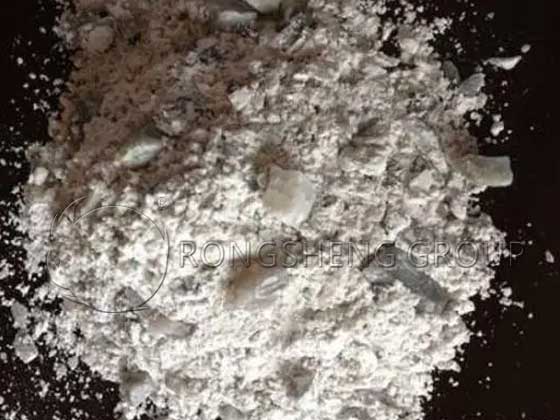
What is Refractory Ramming Mass?
Refractory ramming mass is composed of refractory aggregates, powders, binders, and additives mixed in specific proportions; it is applied using a ramming method, hence the name.
It offers excellent plasticity, filling capability, and application flexibility, along with resistance to high temperatures, scouring, chemical erosion, abrasion, and thermal shock. It maintains good volumetric stability at high temperatures and conforms tightly to the furnace structure. It does not require firing during installation and can be put into service after curing via baking. It is suitable for complex, irregularly shaped furnace sections.
The material is mixed on-site and compacted using pneumatic picks or mechanical rammers, with an air pressure of at least 0.5 MPa. Its drawbacks include slow installation speeds and high labor intensity. Refractory ramming mass is widely used for lining smelting furnaces, steelmaking furnace bottoms, induction furnace working linings, and electric furnace roofs. In recent years, carbon-containing refractory ramming masses have seen rapid development and are frequently used in thermal equipment such as blast furnace iron runners, slag runners, and large cupola furnaces.
Classification and Application of Refractory Ramming Masses
Refractory ramming mass is a type of unshaped refractory material that is compacted and formed through external ramming force. Ramming masses for medium-frequency furnaces are classified based on two dimensions—application area and material composition—with specific focuses for each scenario:
Classification and Application by Area of Use
Furnace Lining Ramming Mass: Used for the core lining of medium-frequency furnaces, coming into direct contact with molten metal at high temperatures. Suitable for the main melting chambers of various furnaces, it requires high refractoriness and strong erosion resistance.
Furnace Mouth Ramming Mass: Specifically designed for the furnace mouth area to withstand mechanical impact from frequent charging, high-temperature oxidation, and molten metal splashing. It is ideal for operating conditions where the furnace mouth is prone to wear.
Tapping Spout Ramming Mass: Used for iron or steel tapping troughs to resist the erosive flow of molten metal and thermal shock (rapid heating and cooling). Suitable for medium-frequency furnace production lines involving continuous tapping.
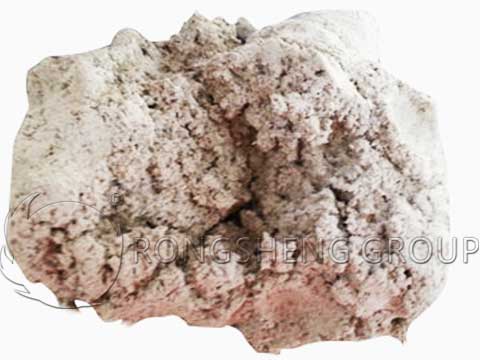
Classification and Application by Material Type
Acidic Ramming Mass: Composed primarily of quartz sand or silica, offering stable chemical properties. Suitable for melting cast iron, ferrosilicon, ferromanganese, and other acidic or low-alloy steels.
Basic Ramming Mass: Composed primarily of magnesia or magnesia-alumina spinel, offering strong resistance to erosion by basic slag. Suitable for melting stainless steel, high-carbon steel, specialty steels, and non-ferrous metals such as copper and aluminum.
Neutral Ramming Mass: Composed primarily of high-alumina bauxite, corundum, or silicon carbide, offering good chemical stability. Suitable for use as a transition layer in multi-metal melting processes or for melting metals with complex compositions that cause moderate lining erosion.
As industrial technology advances, refractory ramming masses continue to evolve. Environmentally friendly ramming masses—featuring low-cement or cement-free bonding—have increasingly become the mainstream choice. These materials not only enhance refractory performance and erosion resistance but also reduce the emission of harmful substances during installation, aligning with the trend toward green industrial development.
Though seemingly ordinary, this humble ramming mass bears the critical responsibility of ensuring the stable operation of medium-frequency furnaces. Standing firm amidst scorching heat, it safeguards the safety and efficiency of every furnace with its robust performance, serving as an indispensable “refractory guardian” in industrial production.
Differences Between Refractory Ramming Masses and Refractory Castables
There are distinct differences between refractory ramming masses and refractory castables regarding production formulation, installation methods, and performance outcomes.
The production processes differ primarily in the type of binder used. Refractory castables typically utilize high-alumina cement as a binder. During installation, a specific amount of water is added; the material is mixed, poured into formwork, and consolidated using a vibrating rod. Castables exhibit good flowability and generally offer superior stability and durability compared to ramming masses. In contrast, ramming masses often employ liquid binders and possess high plasticity. “Bake-out-free” ramming masses utilize resin binders; they require no water addition and are installed using a high-force ramming technique.
The application areas for these two materials also differ. Ramming masses are used to fill gaps between furnace shell cooling equipment and the masonry, or for leveling masonry surfaces. Historically, they were used to fill the gap between the hearth carbon bricks and the cooling staves; however, due to installation challenges that could compromise gap filling, castables are now commonly used for these blast furnace gaps. Nevertheless, bake-out-free ramming masses remain the preferred choice for lining iron runners in front of the furnace. Refractory castables have a wider range of applications; the structural stability and durability achieved through vibration-based installation make them suitable for various furnace linings. Furthermore, the diversity of castable materials—ranging across different grades and composite compositions—allows them to meet a wide array of requirements for furnace lining projects.
In terms of current usage and development trends, refractory castables are employed more frequently than refractory ramming masses, primarily due to their stability and long service life.